
Catalytic Converter Scrap Prices
Want to know what a catalytic converter may be worth? Learn how converter type, precious metal content, identification, condition and market conditions affect catalytic converter scrap value.
Catalytic converter values vary from one converter to another. There is no single price that applies to every unit.
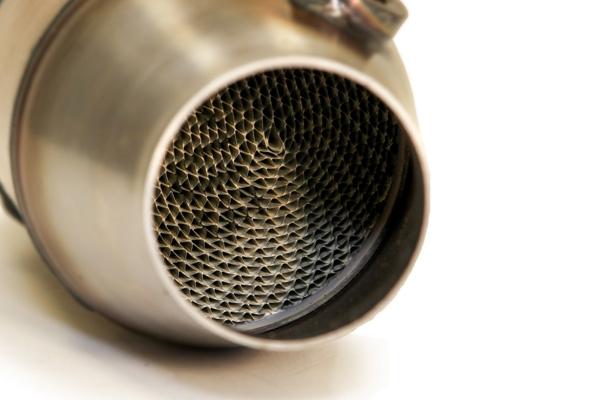
How Much Is a Catalytic Converter Worth?
The answer depends on the individual converter. Two converters that look similar on the outside can contain different amounts and combinations of valuable platinum-group metals.
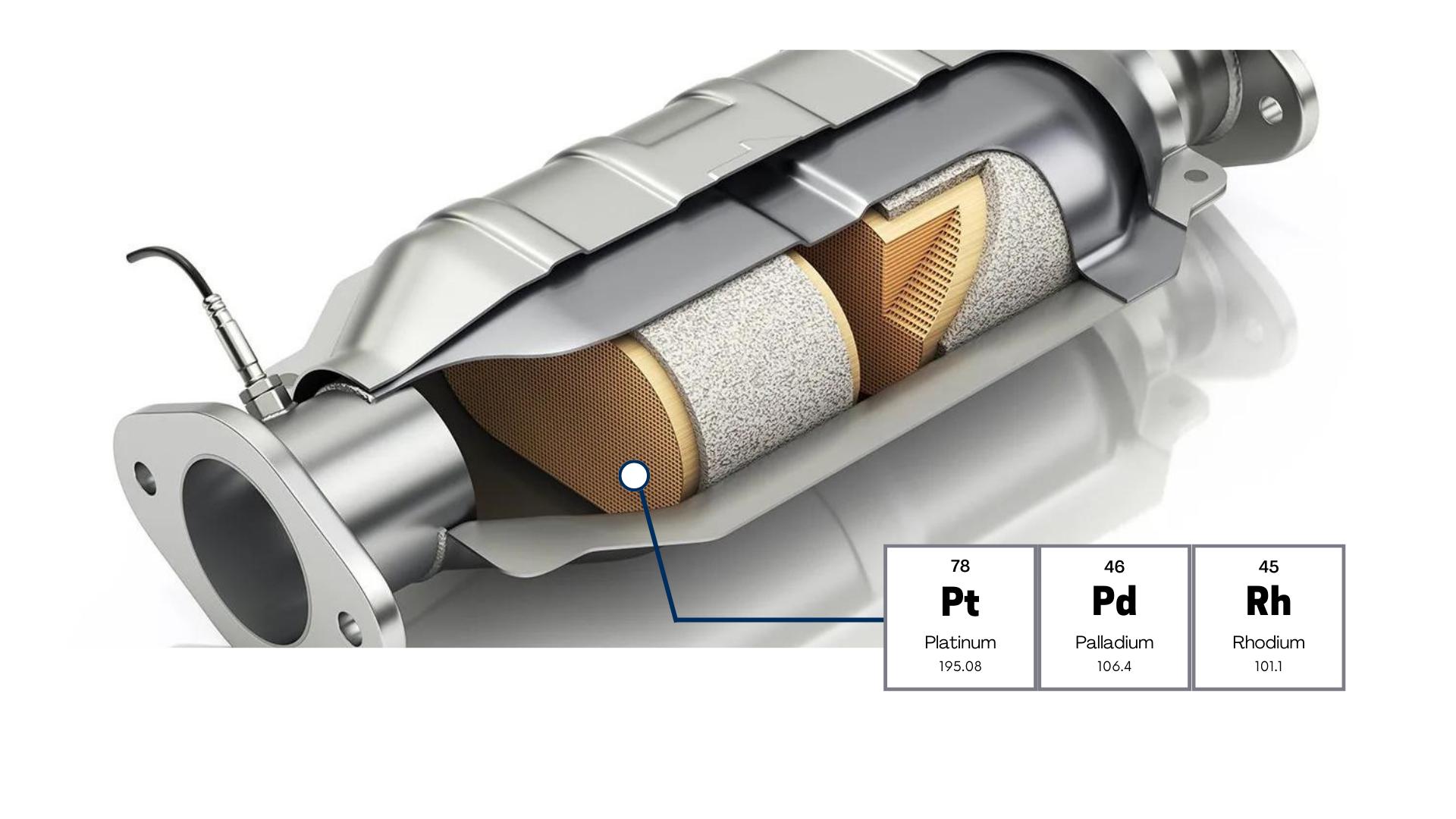
The value is inside the converter.
Catalytic converters contain a ceramic or metallic substrate coated with catalytic materials. These coatings contain platinum, palladium and rhodium, which are important platinum-group metals used in emissions-control systems.
Because the amount and composition of these metals can vary, the scrap value of one converter can be very different from another.
- Converter make, type and identifying number
- OEM or aftermarket construction
- Amount and composition of precious metals
- Condition and completeness of the catalyst
- Current precious-metal market conditions
Why Catalytic Converter Scrap Prices Vary
A converter cannot be accurately valued simply by looking at its size or weight. Identification and material composition matter.
Converter Type
Different converter designs are manufactured for different vehicles and emissions systems. Catalyst loading can vary.
Identification Number
Stamped numbers, manufacturer markings and part numbers can help identify the exact converter and its material profile.
OEM vs. Aftermarket
Original equipment converters and aftermarket replacements can contain substantially different catalyst compositions.
Precious Metals
Platinum, palladium and rhodium are the primary precious metals associated with catalytic converter recycling value.
Condition
A complete converter with its catalyst intact can be treated differently from one that has been emptied, damaged or contaminated.
Market Conditions
Precious-metal markets change over time, so an older price list should not be treated as a guaranteed current quote.
Platinum, Palladium and Rhodium
These three platinum-group metals are a major reason spent catalytic converters have recycling value.
Three metals play an important role.
The catalytic material inside automotive converters is designed to help reduce harmful emissions. The catalyst can contain platinum-group metals that are recovered through specialized recycling and refining.
How to Identify a Catalytic Converter
If you have a used catalytic converter and want to understand its potential scrap value, start with identification.
- Look for stamped numbers or manufacturer markings.
- Record any visible part or serial number.
- Determine whether it appears to be OEM or aftermarket.
- Note the vehicle make, model and engine when known.
- Check whether the converter appears complete and intact.
OEM and Aftermarket Catalytic Converters
Knowing whether a converter is original equipment or an aftermarket replacement can be an important part of understanding its potential scrap value.
OEM Catalytic Converters
OEM converters were installed by the vehicle manufacturer or produced to the manufacturer’s original specifications. Their catalyst formulation and identifying markings can make them easier to classify for recycling.
Aftermarket Converters
Aftermarket converters are replacement parts made by manufacturers other than the original vehicle manufacturer. Their construction and catalyst loading can differ considerably.
How Catalytic Converter Recycling Works
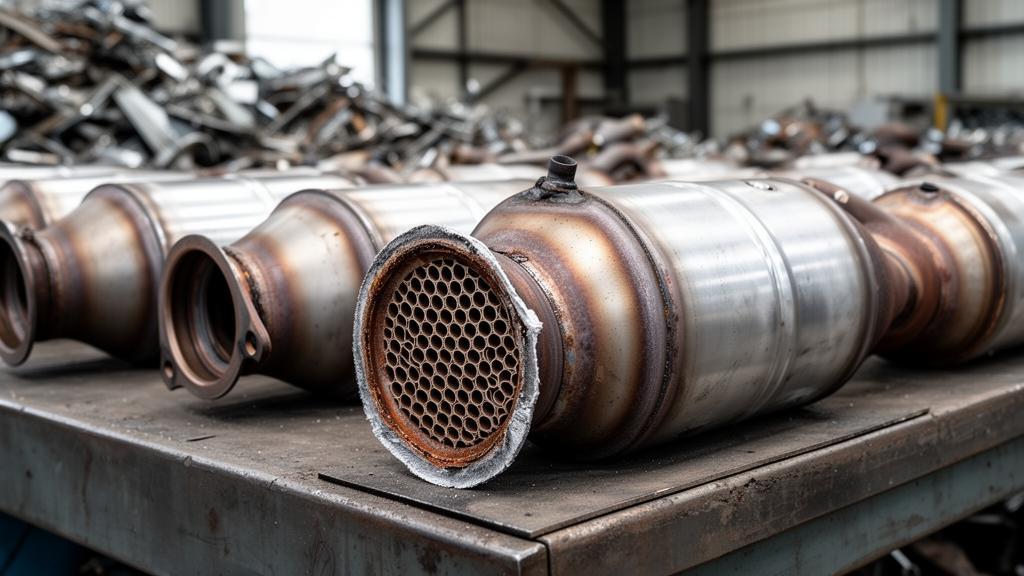
Recycling is more than simply selling the metal shell. Specialized processors recover valuable catalyst material for further processing and refining.
Identification
Converters are sorted and identified by markings, construction, type and other characteristics.
Processing
The metal housing and catalyst material are separated during the recycling process.
Sampling
Catalyst material can be prepared and sampled so its precious-metal content can be evaluated.
Refining
Recovered platinum-group metals can then be processed for reuse in industrial applications.
Thinking About Selling a Catalytic Converter?
Before you sell, learn how identification, pricing, documentation and choosing a reputable buyer can affect the transaction.
Catalytic Converter Scrap Price FAQ
Common questions about catalytic converter value, identification and recycling.
How much is a catalytic converter worth?
There is no single value for every catalytic converter. Scrap value depends on the converter’s type, identifying information, precious-metal content, condition and current market conditions.
Why are catalytic converters valuable?
Catalytic converters contain platinum-group metals, primarily platinum, palladium and rhodium. These materials can be recovered through specialized recycling and refining.
Does the size of a catalytic converter determine its value?
Not by itself. A larger converter is not automatically worth more. Catalyst composition and the amount of recoverable precious metals are more important than exterior size alone.
Are OEM catalytic converters worth more than aftermarket converters?
OEM and aftermarket converters can contain different catalyst formulations, so their scrap values can differ. Identification of the individual converter is important.
Where can I find the catalytic converter serial number?
Depending on the manufacturer, identifying numbers or markings may be stamped, engraved or attached to the converter housing. Look around the outer shell for markings and part numbers.
Do catalytic converter scrap prices change?
Yes. Scrap values can change as precious-metal markets, processing costs, demand and converter composition change. An older price list should not be treated as a guaranteed current quote.
Can I get help determining what my catalytic converter is worth?
For help discussing a converter, call (316) 395-2964. Having the converter’s identifying number, photos and vehicle information available can make identification easier.
Have a Catalytic Converter to Identify?
Gather the converter’s identifying markings and vehicle information, then contact us to discuss the unit and its potential value.
(316) 395-2964Catalytic converter scrap values vary by converter type, catalyst composition, condition, market conditions and other factors. Information on this website is provided for educational purposes and should not be considered a guaranteed price or quote.